 Wander Veil



Thirty real sites
Temples, theatres, sanctuaries, stadiums and ancient cities across Attica, the Peloponnese, the north and the islands. Coordinates follow Wikidata.
Ancient Greece, planned for real.
Thirty real archaeological sites with their stories, coordinates and visiting notes. Plan journeys day by day, get real legs from Apple Maps, and see every sea crossing marked honestly.
Made for travellers who like to read the stones.
Wander Veil is a field guide and a trip planner in one. Read about a site, put it on a day, ask Apple Maps for the road, and carry the whole plan with you.
From the Acropolis to Knossos, every site has its story, its coordinates and practical notes. Search by name or browse four regions.
History, highlights and what to know before you go, for temples, theatres and sanctuaries. Leave yourself a note on any card.
Pick a start point, add stops day by day and get real legs from Apple Maps by car, on foot or by public transport.
Start the journey, hand each leg to Apple Maps for turn-by-turn directions and stamp every site you reach as visited.
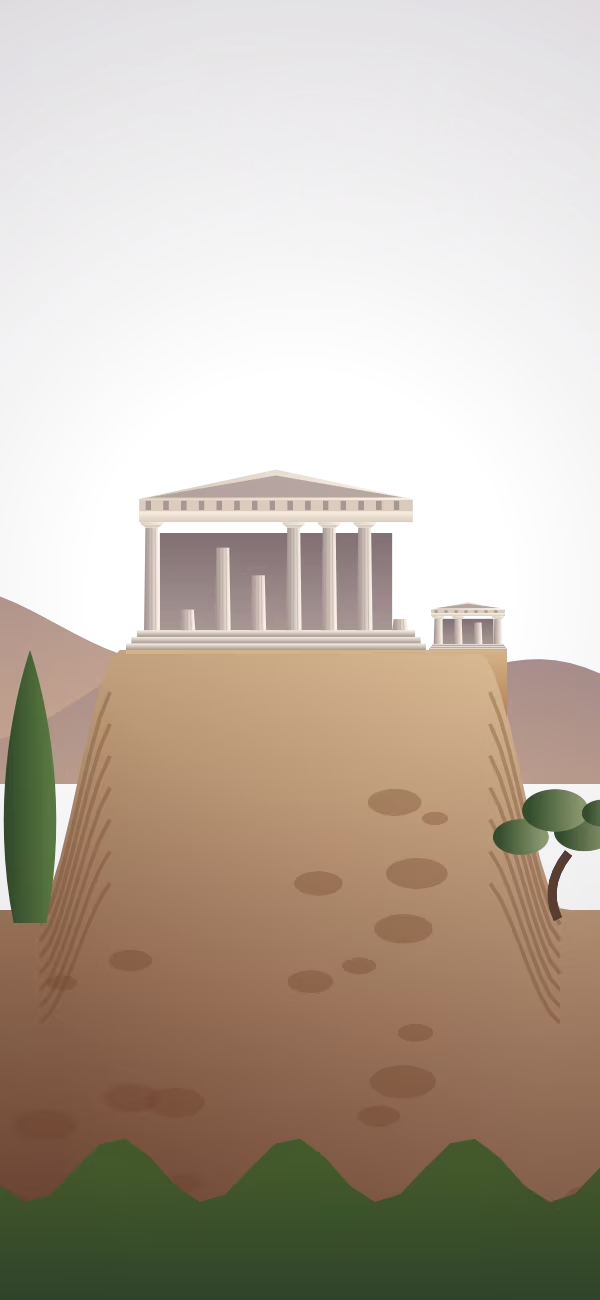
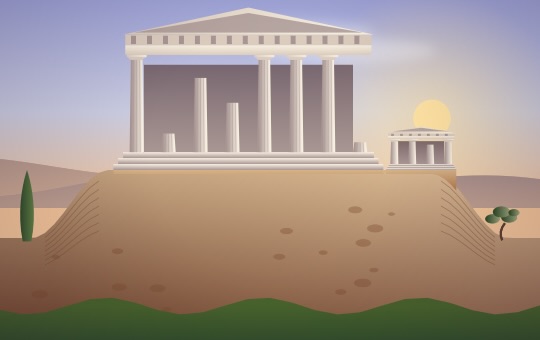
Each of the thirty sites comes with a drawn scene, its story, what to see and how to visit. These are real cards from the app — pick one.
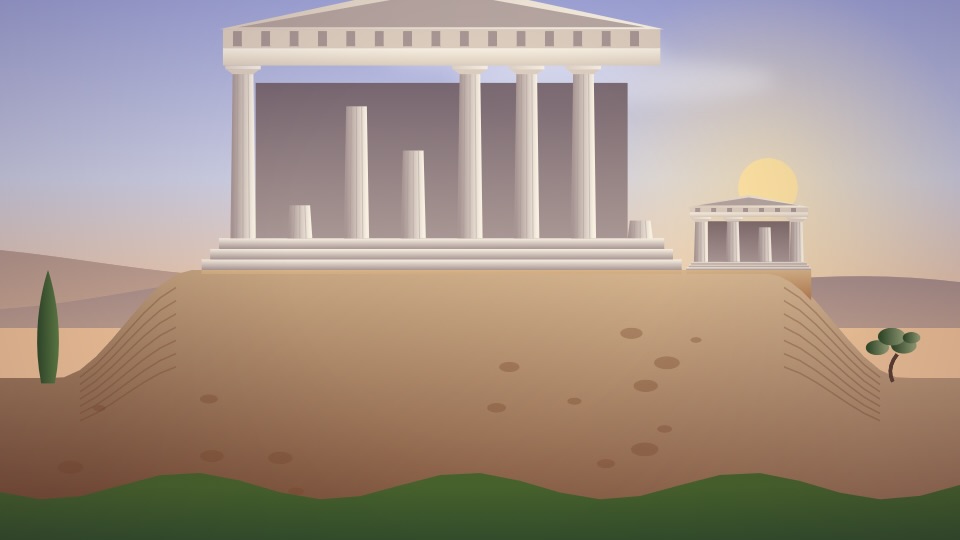
The limestone citadel above Athens crowned by the Parthenon and the temples of Athena.
Inhabited since the Neolithic; the Periclean buildings date from 447 to 406 BC.
A Mycenaean fortress stood on the rock in the 13th century BC, and later the hill became the sanctuary of Athena, protector of the city. After the Persians burned the old temples in 480 BC, Pericles launched a building programme led by the sculptor Phidias. The Parthenon was finished in 438 BC, followed by the Propylaia gateway, the small Temple of Athena Nike and the Erechtheion. Over the centuries the Parthenon served as a church, a mosque and an Ottoman powder store, until a Venetian shell set off the powder in 1687. Restoration work on the monuments has continued since the 1970s.
Why it matters
The most influential monument of classical Greece and a UNESCO World Heritage Site since 1987.
Most state sites close on 1 January, 25 March, 1 May, Orthodox Easter Sunday and 25 and 26 December. Check the schedule before you travel.
Official tickets and hours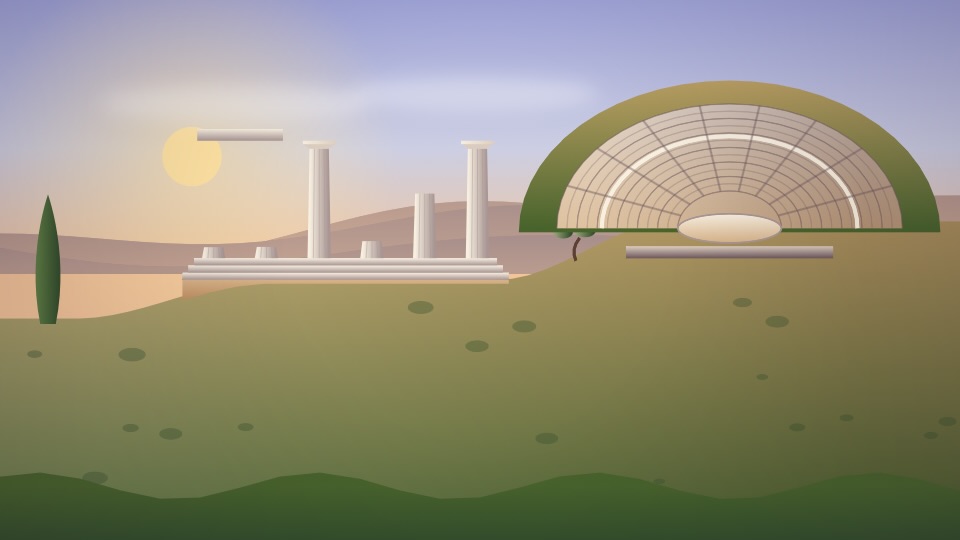
The sanctuary of Apollo and seat of the Pythia, the most famous oracle of antiquity.
Oracle active from the 8th century BC to the late 4th century AD.
The Greeks thought Delphi was the centre of the world, marked by the stone navel called the omphalos. Cities and kings sent envoys to consult the Pythia, the priestess of Apollo, before wars and the founding of colonies. Rival cities built treasuries along the Sacred Way to display their offerings. The Pythian Games, second only to Olympia, were held in the theatre and the stadium high on the slope. Below the main sanctuary lies the Sanctuary of Athena Pronaia with the round Tholos. French excavations began in 1892.
Why it matters
The religious centre of the Greek world and a UNESCO World Heritage Site.
Most state sites close on 1 January, 25 March, 1 May, Orthodox Easter Sunday and 25 and 26 December. Check the schedule before you travel.
Official tickets and hours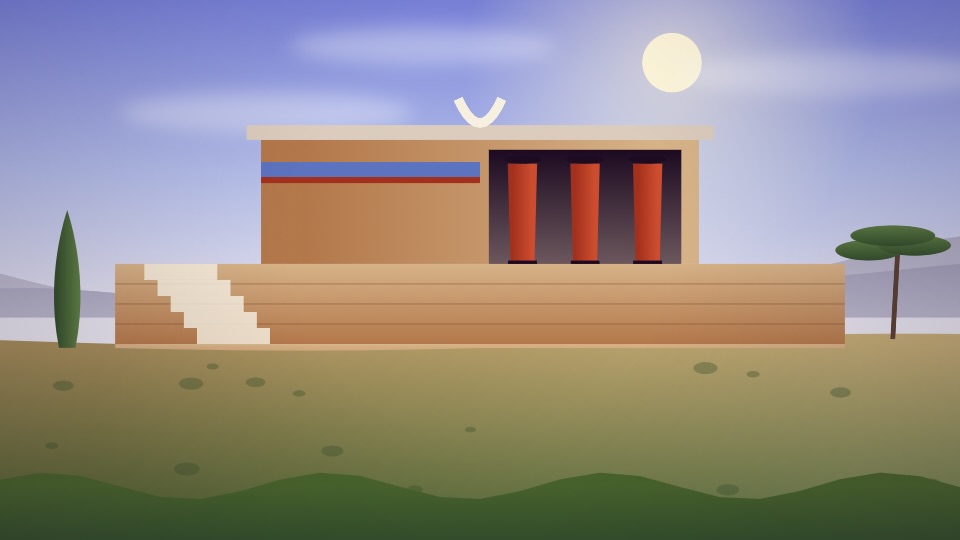
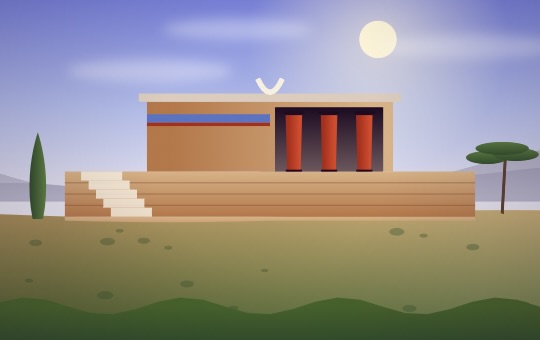
The largest Minoan palace, linked in legend with King Minos and the Labyrinth.
Palace built about 1900 BC, rebuilt after about 1700 BC, used until about 1350 BC.
Knossos was the centre of the Minoan civilisation, Europe's first great Bronze Age culture. The palace grew around a central court into a maze of halls, stores, workshops and stairways, which may have inspired the legend of the Labyrinth and the Minotaur. Its walls carried bright frescoes of bulls, processions and dolphins. Arthur Evans excavated the site from 1900 and rebuilt parts of it in concrete, including the red columns that taper downward, a choice still debated. The original frescoes are in the Heraklion Archaeological Museum.
Why it matters
The capital of Minoan Crete and the most visited site on the island.
Most state sites close on 1 January, 25 March, 1 May, Orthodox Easter Sunday and 25 and 26 December. Check the schedule before you travel.
Official tickets and hours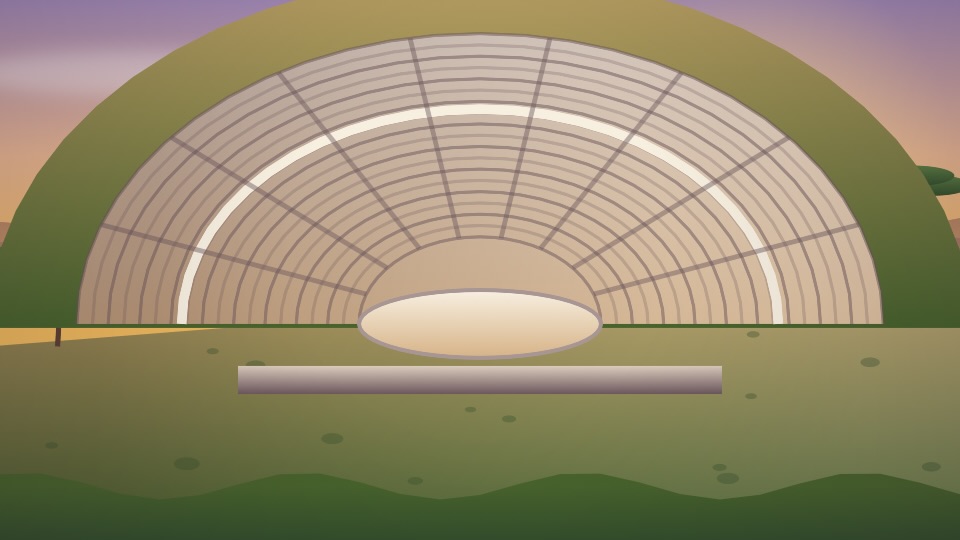
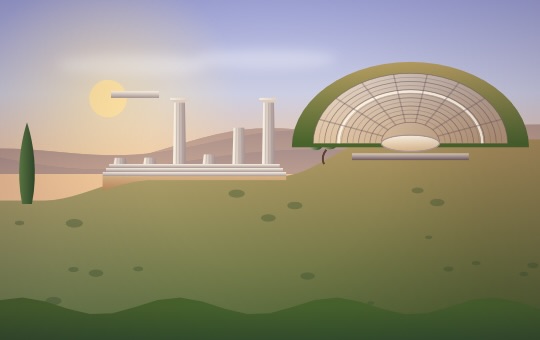
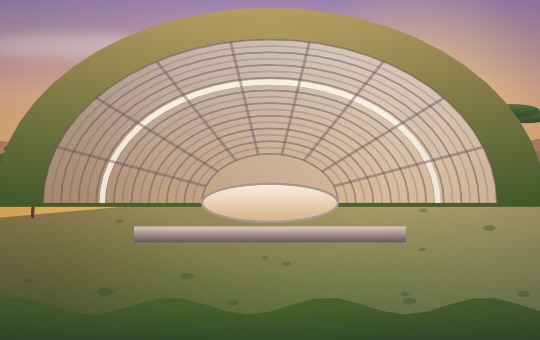
The best preserved theatre of ancient Greece, famous for its acoustics.
Theatre built in the late 4th century BC, extended in the 2nd century BC.
Epidaurus was the main sanctuary of Asklepios, the god of healing, and pilgrims came from far away to be cured. The theatre, attributed to Polykleitos the Younger, was built on the slope of Mount Kynortion in the late 4th century BC and later enlarged to about 13,000 seats in 55 rows. Its acoustics are so precise that a coin dropped in the orchestra can be heard in the top row. Since 1955 the theatre has hosted ancient drama each summer as part of the Athens and Epidaurus Festival.
Why it matters
A masterpiece of ancient architecture still used for performances, and a UNESCO World Heritage Site.
Most state sites close on 1 January, 25 March, 1 May, Orthodox Easter Sunday and 25 and 26 December. Check the schedule before you travel.
Official tickets and hoursNo invented roads, no made-up times. Real coordinates, real legs from Apple Maps, and a clear line wherever the sea gets in the way.
Temples, theatres, sanctuaries, stadiums and ancient cities across Attica, the Peloponnese, the north and the islands. Coordinates follow Wikidata.
Eight ready-made routes, from a one-day walk through classical Athens to six days of island sanctuaries. Plan any of them in one tap.
Drive, walk or take transit. Distances and times come from Apple Maps, and any leg opens there for turn-by-turn navigation.
Island legs are marked as ferry crossings and never drawn as roads over the water. Ferry times are left to the operators.
Favourites, notes and visit stamps on one shelf. Saved journeys keep their stops and legs and open without a connection.
No account and no tracking. Journeys, favourites, notes and visits stay on your device. Export your journal as JSON or erase it all.
Open a route, check the stops in order and turn it into your own draft journey. Add a start point and Wander Veil asks Apple Maps for every leg.
The classical city in one walk: the Acropolis, the Agora, the cemetery at the gates, Hadrian's temple and the marble stadium.
The burial mound of Marathon in the morning and the Temple of Poseidon at Sounion for the evening light.
Bronze Age citadels of the Argolid with the theatre of Epidaurus and the trading city of Corinth.
Olympia's sanctuary, Apollo's mountain temple at Bassae, the free city of Messene and the acropolis of Sparta.
The Mysteries of Eleusis, the Pythia at Delphi and the speaking oak of Dodona, the oldest oracle.
The pass of Thermopylae first, then the sacred city of Dion, the royal tombs of Aigai and Alexander's capital Pella.
The two great palaces of Bronze Age Crete, from Knossos near Heraklion to Phaistos above the Messara plain.
Temples and towns across the Aegean. The islands are linked by sea, so the plan marks every ferry leg instead of inventing roads.
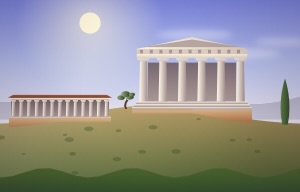
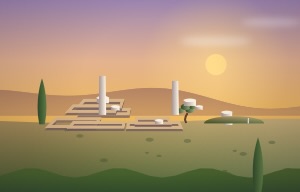
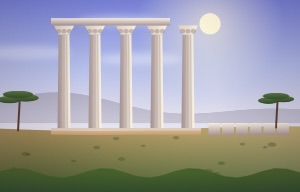
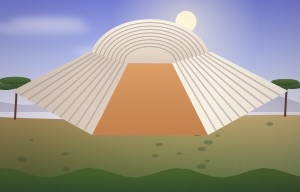
Every scene below is drawn by the app itself, from the light of the sky to the number of fallen columns.
 Acropolis of Athens
 Ancient Agora of Athens
 Kerameikos Archaeological Site
 Temple of Olympian Zeus
 Panathenaic Stadium
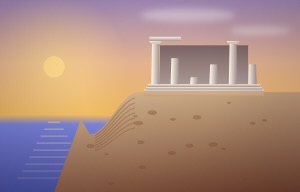 Temple of Poseidon at Sounion
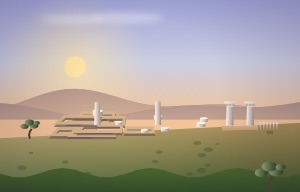 Eleusis Archaeological Site
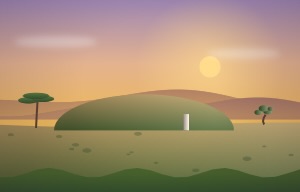 Marathon Archaeological Site
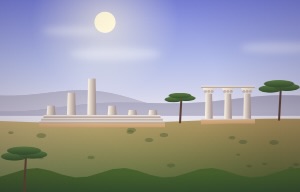 Ancient Olympia
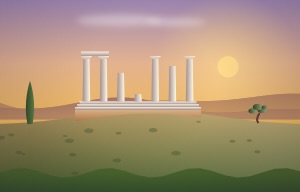 Ancient Corinth
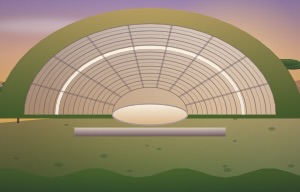 Epidaurus Ancient Theatre
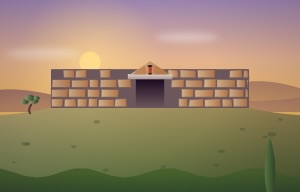 Mycenae Archaeological Site
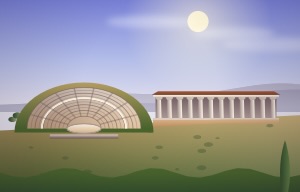 Ancient Messene
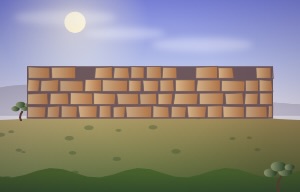 Archaeological Site of Tiryns
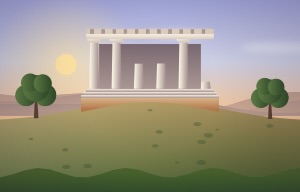 Temple of Apollo Epicurius at Bassae
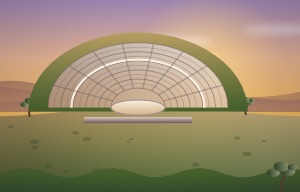 Archaeological Site of Sparta
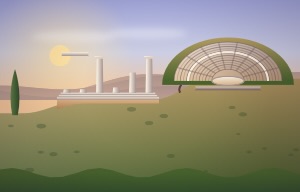 Delphi Archaeological Site
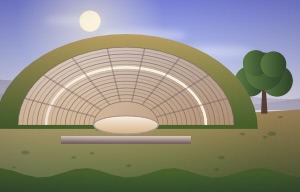 Dodona Archaeological Site
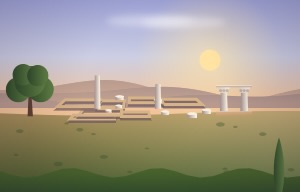 Dion Archaeological Park
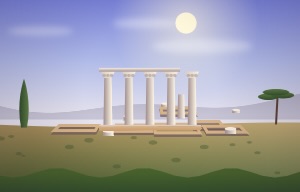 Pella Archaeological Site
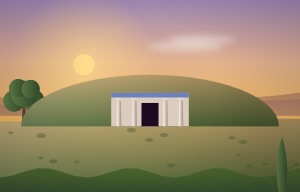 Archaeological Site of Aigai (Vergina)
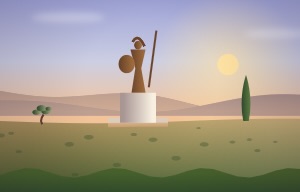 Archaeological Site of Thermopylae
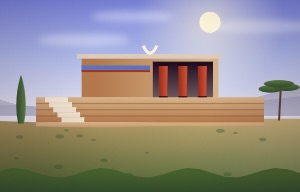 Palace of Knossos
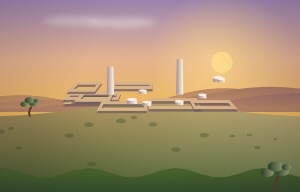 Phaistos Palace
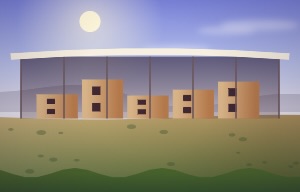 Akrotiri Archaeological Site, Santorini
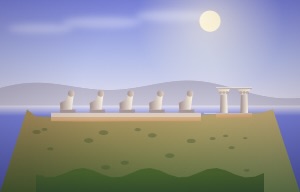 Delos Archaeological Site
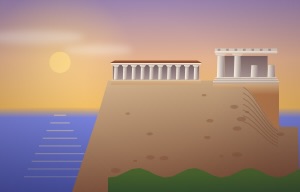 Acropolis of Lindos, Rhodes
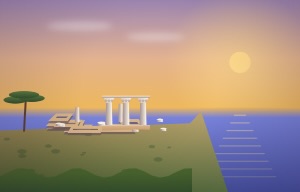 Ancient Kamiros, Rhodes
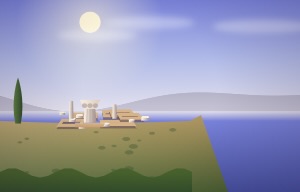 Heraion of Samos
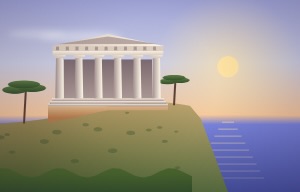 Temple of Aphaia, Aegina
Spotted a change in opening hours, have an idea for a themed route, or need help with the app? Write to us at mail@crazyfortunelive.click or use the form.
Thirty sites, eight routes and the honest way across the Aegean. Free on the App Store for iPhone.